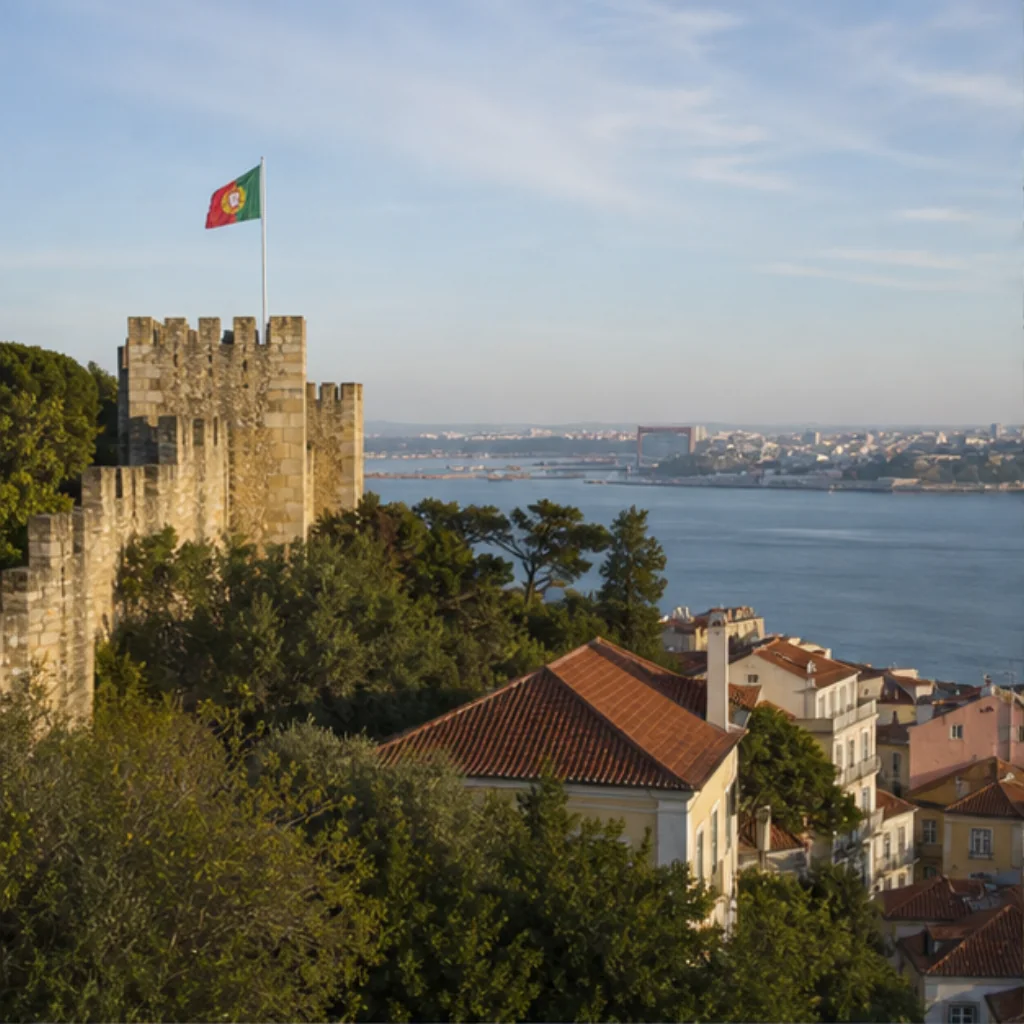
A travel picture does not have to hold the whole visit. Keep an original photograph for the moment it records, use a successful Landmark unlock to retain your connection to a place, and treat an AI-created Memory as a creative souvenir rather than a replacement for either.
That distinction gives you a practical choice at a supported Unlocked destination: complete the presence-based Unlock while you are there, take photographs you genuinely want, and leave the creative decisions for later. You do not need to settle the visual story of the trip before leaving the Landmark.
A travel picture does not have to hold the whole visit
One image can be meaningful without being a complete account of your time away. A travel picture might show the place, the people beside you, or a detail you noticed. It does not also have to explain how the day felt or prove that the journey mattered.
As a general way to evaluate your pictures, ask what you want each one to keep. A clear view of a building and an informal portrait answer different needs. Neither becomes less valuable because the other exists.
Three distinctions are useful when using Unlocked:
- Original photograph: a camera record of the scene at a particular instant.
- Landmark unlock: the record that you completed Unlocked’s presence-based check at a supported place.
- Memory: an AI-created image made through a curated Experience for an unlocked Landmark.
These are complementary, not interchangeable. A pleasing Memory does not make an ordinary photograph redundant, and a successful unlock cannot describe your private response to the visit.
Keep original photographs for what actually happened
An original photograph is worth keeping when it preserves something you do not want to lose, even if its composition is imperfect. That is general advice about choosing travel photographs, not a requirement of Unlocked.
Imagine a quick portrait with a companion partly outside the frame. As a formal picture, it may disappoint. As a record of an expression or a shared moment, it may be exactly right. Keep the file because of what it contains, rather than judging it only against the image you hoped to make.
Before setting a photograph aside, consider:
- Does it show a person, gesture, or detail I want to remember?
- Does its awkwardness belong to the moment rather than spoil it?
- Would a more polished image actually preserve the same thing?
Unlocked is not a reason to discard these pictures. You can value a composed creative image and still prefer an ordinary camera photograph as the record of that afternoon. They do not need to compete for the role of definitive souvenir.
Complete the Unlock while you are at the Landmark
Unlocked’s connection to a place begins with physical presence, not with choosing a destination image. It is a native travel app, not a generic image generator: the visit comes before access to the Landmark’s creative Experiences.
At a supported Landmark, choose Unlock while nearby. The app checks your presence. Once the unlock succeeds, the place remains associated with your account after you leave. A perfect on-site photograph is not needed for that step, and a photograph from an earlier visit cannot substitute for the check.
For planning, keep the order clear: physical presence → Landmark unlock → curated Experience → Memory → My World. The part that belongs at the place is the presence-based Unlock. The creative work can wait.
The distinction also limits what an unlock means. It records completion of the presence check; it does not certify that you enjoyed the visit or understood everything you saw. Our guide to why travel memories start with being there explains why this order matters.
Choose an Experience when you have time
A successful Landmark unlock lets you postpone creating a Memory until the choice feels useful. The Landmark’s Experiences remain available permanently once unlocked, so you can return to them at the hotel or after arriving home.
In Unlocked, an Experience supplies a curated photographic direction. You choose an available Experience for the unlocked Landmark, provide a photo of yourself, review the required credits, and create a Memory. More Memories can be created from available Experiences with credits.
Treat that later choice as an editorial decision rather than an obligation to finish the visit. Ask whether you want a creative souvenir of this particular place, and whether the available direction appeals to you. You do not need to make an image simply because you have unlocked the option.
This separation is useful on the day itself. You can complete the Unlock without also deciding which image should represent the trip. The Unlocked product overview describes the visit-first approach and the curated Experiences that follow it.
Describe a Memory as a creative interpretation
An Unlocked Memory is AI-created, not a camera record of the exact scene you encountered. Its connection to a verified visit does not make every visible detail an accurate account of that visit.
That boundary matters when you choose or share an image. Evaluate a Memory for its mood, composition, and personal meaning, while keeping questions about what actually happened separate. If you want to show the scene your camera recorded, use the original photograph.
A straightforward caption can preserve the distinction: “An AI-created Memory from the Landmark I visited.” It explains both the real connection to the place and the creative nature of the image, without asking the viewer to guess.
You can also share a Memory alongside an original photograph, if that suits what you want to say. One offers an interpretation; the other records an instant. Neither needs to carry the full explanation of the day, and neither should be presented as something it is not.
Let My World keep the travel record, not judge the trip
My World brings together the travel record without turning it into a public competition. Unlocked describes it as a restrained digital passport, with a map, city progress, unlock dates, and generated Memories. It deliberately avoids points, XP, leaderboards, and public feeds.
That design gives the images a place within your travel history rather than making each one a performance for an audience. Unlocked is not a public social network, and a Memory does not need public approval to be worth keeping.
For your own review, use a simpler question than “Does this show everything?” Ask, “Does this keep something I care about?” You might answer differently for a photograph, a Memory, and a note written after the visit.
Before your next supported Landmark visit, separate the decisions: complete the Unlock if you want access to its Experiences, take an ordinary photograph when something calls for one, and decide about a Memory later. Leave the rest of the visit room to happen.
Useful details
Frequently asked questions
Do I need a perfect photograph to Unlock a Landmark?
No. At a supported Landmark, choose Unlock while nearby so Unlocked can check your presence. A successful unlock does not depend on taking a perfect portrait, and an old photograph cannot replace the presence check. Creating a Memory is a separate, later step.
Can I create an Unlocked Memory after returning home?
Yes. Once a Landmark is unlocked, its Experiences remain available permanently. You can choose an available Experience later, provide a photo of yourself, review the required credits, and create a Memory. You do not need to finish the creative process during the visit.
Is an AI-created Memory a photograph of what happened during my visit?
No. A Memory is an AI-created interpretation, not a camera record of the exact scene. The Landmark unlock connects it to a verified visit, but does not establish the accuracy of every visual detail. Keep your original photographs and identify the Memory clearly when sharing it.